
Why Sensor Cable Assemblies Are Essential in Industrial Automation
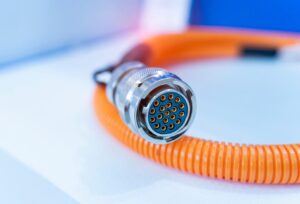 In modern industrial automation systems, data accuracy and stable communication are critical. From robotic arms and conveyor systems to agricultural machinery and control panels, sensors play a key role in monitoring equipment performance and transmitting real-time information. However, behind every reliable sensor is an equally important component: the sensor cable assembly.
A sensor cable assembly is more than just a group of wires. It is a complete connection solution designed to deliver power, signals, and communication between sensors and control systems. In demanding industrial environments, high-quality sensor cable assemblies help improve system reliability, reduce downtime, and ensure accurate machine operation.
The Role of Sensor Cable Assemblies
Industrial sensors collect important data such as temperature, pressure, position, speed, and proximity. This information must be transmitted quickly and accurately to PLCs, controllers, or monitoring systems.
If the cable assembly is poorly designed or unable to handle harsh conditions, signal loss and connection failures can occur. Even a small interruption may stop production or cause incorrect machine responses.
Reliable sensor cable assemblies help ensure:
- Stable signal transmission
- Consistent power delivery
- Reduced electromagnetic interference (EMI)
- Secure and organized connections
- Long-term durability in industrial environments
Without dependable cable assemblies, even advanced automation systems can experience performance issues.
Designed for Harsh Industrial Environments
Industrial applications often expose wiring systems to difficult conditions, including:
- Continuous vibration
- Oil and chemicals
- Moisture and dust
- High temperatures
- Repetitive motion and bending
Standard cables may wear out quickly under these conditions. Sensor cable assemblies are specifically engineered with protective materials, shielding, and durable connectors to withstand these challenges.
For example, robotic applications frequently require high-flex cable assemblies that can move constantly without breaking. Agricultural machinery may need waterproof sensor cables that resist mud, rain, and UV exposure. Control panel systems often require organized cable routing to simplify maintenance and improve airflow.
Using the right sensor cable assembly for the environment greatly increases equipment reliability and service life.
Improving Installation Efficiency
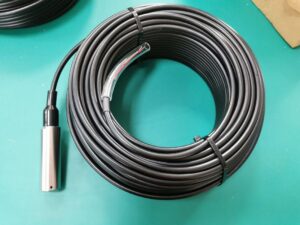 Pre-assembled sensor cable assemblies can significantly reduce installation time in industrial projects. Instead of cutting, stripping, and connecting wires manually on-site, technicians can install ready-to-use assemblies directly into the system.
This provides several advantages:
- Faster installation
- Fewer wiring errors
- Cleaner cable management
- Easier troubleshooting
- Reduced labor costs
In large automation systems with hundreds of sensor connections, efficient cable organization becomes extremely important. Well-designed assemblies also simplify future maintenance and replacement.
Signal Integrity Matters
As industrial equipment becomes smarter and more connected, accurate data transmission is more important than ever. Noise, interference, or unstable connections can affect sensor performance and lead to inaccurate readings.
High-quality sensor cable assemblies often include shielding and proper insulation to maintain signal integrity. This is especially important in environments with motors, drives, and other electrical equipment that generate electromagnetic interference.
Stable communication between sensors and controllers helps improve:
- Machine precision
- Production efficiency
- Safety performance
- Real-time monitoring accuracy
In automated systems, reliable signals directly impact operational performance.
Custom Sensor Cable Assemblies for OEM Manufacturers
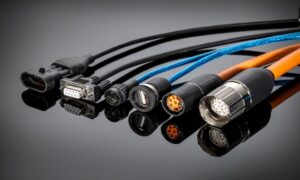 Different industries require different cable solutions. OEM manufacturers often need custom sensor cable assemblies designed for specific machines, layouts, or operating conditions.
Custom solutions may include:
- Specific connector types
- Custom cable lengths
- Waterproof designs
- High-flex constructions
- Shielded signal cables
- Compact routing configurations
A build-to-print cable assembly supplier can help OEM manufacturers improve equipment integration while reducing assembly complexity.
Conclusion
Sensor cable assemblies are a critical part of modern industrial automation systems. They support accurate signal transmission, reliable machine communication, and long-term operational stability in demanding environments.
Whether used in robotics, agricultural machinery, industrial automation equipment, or control panels, high-quality sensor cable assemblies help reduce downtime, simplify installation, and improve overall system performance.
A sensor cable assembly is a complete cable solution that connects industrial sensors to controllers, PLCs, or monitoring systems. It is designed to transmit power, signals, and data reliably in industrial environments.
Sensor cable assemblies ensure stable signal transmission and accurate communication between sensors and control systems. Reliable assemblies help reduce downtime, improve machine performance, and support efficient automation processes.
Sensor cable assemblies are widely used in industrial automation, robotics, agricultural machinery, control panels, conveyor systems, and manufacturing equipme
High-quality assemblies are designed to withstand vibration, moisture, heat, and electromagnetic interference (EMI). This helps maintain consistent performance and reduces the risk of signal loss or connection failure.
Important factors include product quality, customization capability, testing standards, durability, industry experience, and the supplier’s ability to support specific industrial applications.